Japan weighs cooling-off periods for crypto transfers to self-custody wallets
英文原文查看译文
阅读字号阅读正文 ↓
加载图片中
Japan's potential cooling-off periods for crypto transfers could enhance fraud prevention but may also slow down user transactions, impacting new users.

David Kernan
The FSA's discussion paper floats waiting periods for new exchange accounts sending crypto to personal wallets
Thu 26 Nov 2026 · 18:55 EST · 3 min read
In Regulation
Share
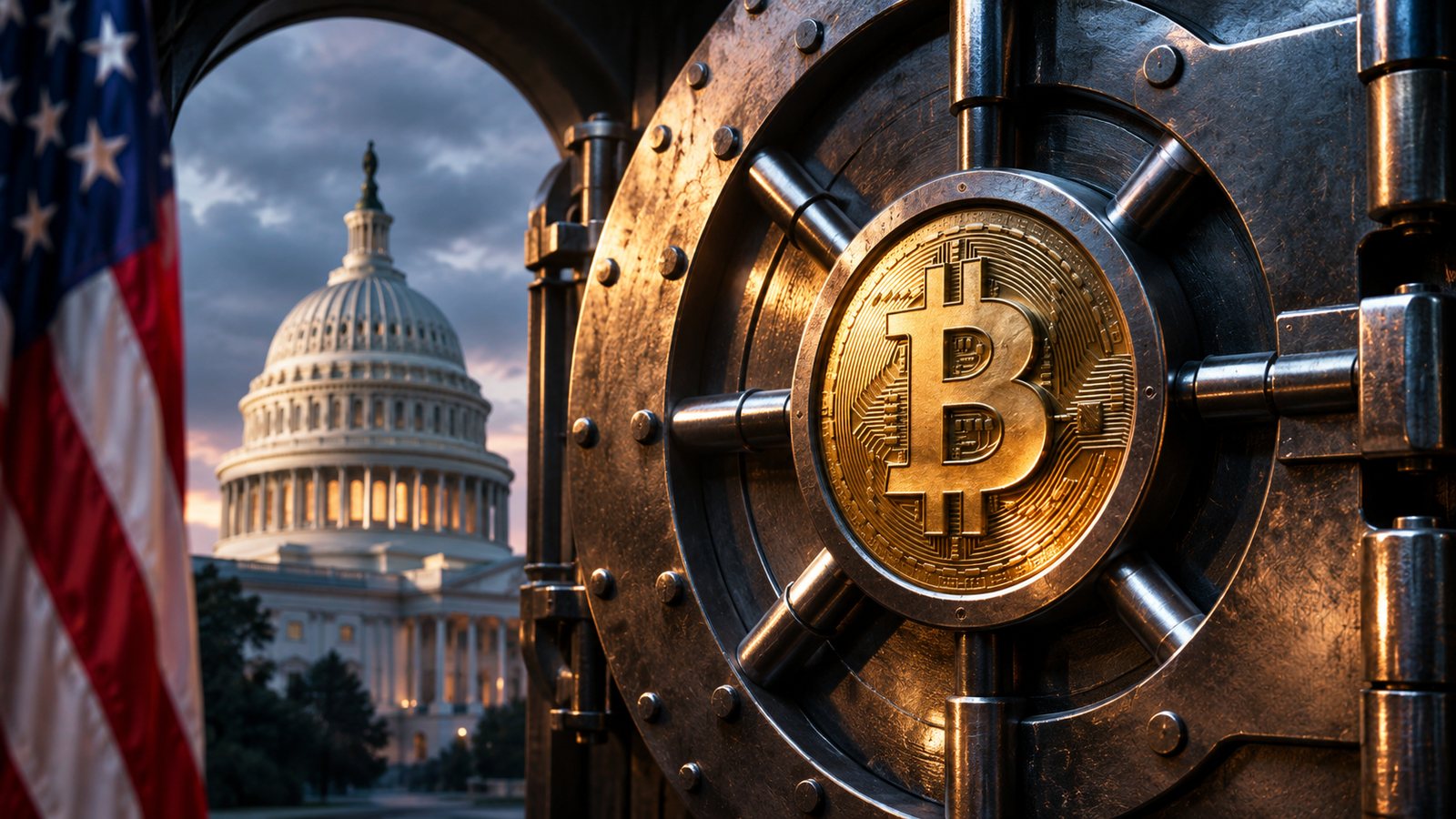
Japan’s Financial Services Agency (FSA) is considering a speed bump for crypto withdrawals. In a discussion paper released on November 26, 2026, the regulator floated cooling-off periods for transfers from newly created exchange accounts to users’ own wallets.
For a country that treats crypto oversight with unusual seriousness, this is a notable shift in focus. The target is no longer just the exchanges. It is the moment funds leave them.
What the FSA is proposing
The FSA’s paper lays out several options aimed at fraud and anti-money laundering (AML) risks tied to exchanges and self-custody wallets. The headline item is a waiting period on transfers from newly created accounts on regulated exchanges.
Those transfers would go to personal wallets that may be unhosted or self-custodial. The pause would give people time to notice a scam or an unauthorized transaction before the money is gone.
The paper is not a final rule. The FSA is asking for public input on whether exchanges should enforce transfer delays at all, or simply show warnings before transactions go through.
That distinction matters. A warning is a nudge you can click past. A mandatory delay is a locked door with a timer on it.
The industry already started moving
Japanese exchanges did not wait for the regulator to act. bitFlyer introduced its own 48-hour cooling-off period on October 15, 2026.
The policy applies to external sends exceeding ¥100,000 from new customers. In practice, a fresh account trying to move a meaningful sum off the platform has to sit tight for two days first.
bitFlyer’s move arrived a couple of months after a push from the trade side. In August 2026, the JVCEA requested enhanced scam-prevention measures from the industry, including limits on withdrawals following deposits.
Post-deposit withdrawal limits target a familiar fraud pattern. A victim is pressured into opening an account, funding it, and immediately sending the crypto onward to a wallet the scammer controls. Slow down the last step and the scheme gets harder to run.
So the sequence looks like this: an industry request in August, an exchange-level policy in October, and a regulator’s discussion paper in November.
Building on existing rules
None of this starts from zero. Japanese exchanges already operate under the Act on Prevention of Transfer of Criminal Proceeds.
Under that law, exchanges must collect information on transactions involving self-custody wallets and keep proper records. Regulators can already see where funds are heading after they leave a platform.
The new proposals would add a time dimension to that visibility. Record-keeping tells you what happened. A cooling-off period gives someone a chance to intervene before it happens.
What this means for users and exchanges
For most established users, the immediate impact may be limited. The proposal as described focuses on newly created accounts, not every withdrawal by every customer.
New users are a different story. Anyone opening an account and expecting to move funds to a personal wallet right away could face a wait, depending on how the final rules land.
There are also open design questions the consultation may help answer. How long should a delay last? What size of transfer should trigger it? How “new” does an account need to be? bitFlyer’s version offers one data point: 48 hours, above ¥100,000, for new customers.
Then there is the choice between warnings and hard delays. A warnings-only approach would be lighter on users and exchanges but easier to ignore under pressure from a scammer. Enforced delays would be sturdier but more disruptive.
The next step is the public comment process on the FSA’s paper.
Disclosure: This article was edited by John Chen. For more information on how we create and review content, see our Editorial Policy.